Steroids, stress and the gut microbiome-brain axis
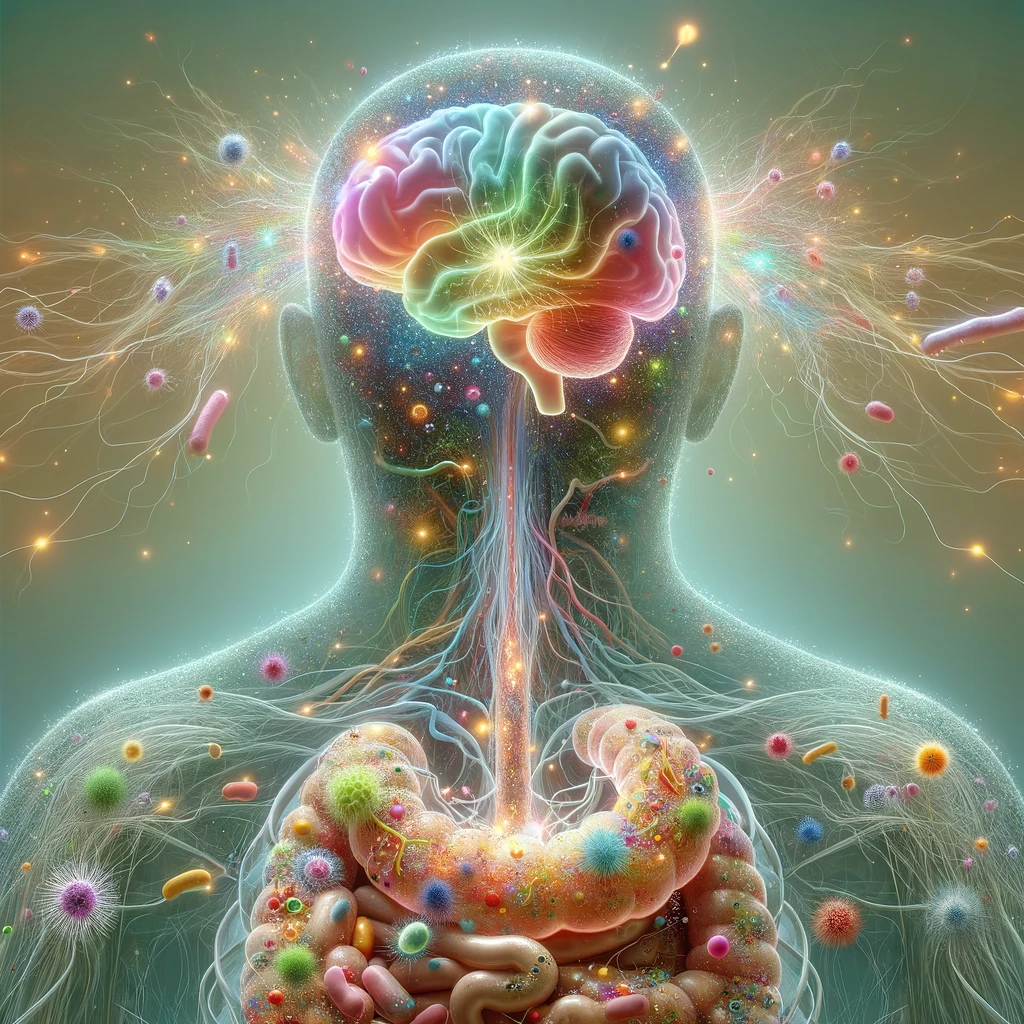
While it is becoming well established that the gut microbiome has a profound impact on human health and disease, this 2018 review explores how steroids can affect gut microbiota, and how the gut microbiota can influence hormone levels, while also examining human studies on the possible role of gut microbiota in depression and anxiety. Within the context of the gut microbiome-brain axis, Tetel et al. (2018) discusses how gut microbiota disturbances can alter the stress axis and behavior. Lastly, the authors present the challenges and the important questions that future studies must address, concerning steroids, stress, gut-brain axis and human health. [NPID: microbiome, MGBA, gut-brain axis, gut microbiome, steroids, depression, anxiety]
Year: 2018
Reference: Tetel, M. J., de Vries, G. J., Melcangi, R. C., Panzica, G., & O'Mahony, S. M. (2018). Steroids, stress and the gut microbiome-brain axis. Journal of neuroendocrinology, 30(2), 10.1111/jne.12548. https://doi.org/10.1111/jne.12548
Related Studies
The gut microbiota, a dynamic orchestrator of physiological and neuroimmune processes, significantly influences mental health via the bidirectional microbiota–gut–brain axis. Various microbial signatures have been associated with psychiatric disorders such as depression, anxiety, post-traumatic stress disorder, and schizophrenia; however, the nature of this relationship—whether causative, correlative, or indicative of a complex interplay—remains unresolved. This review […]
The aim of this 2021 study was to examine the gut microbiota composition and sleep quality of patients with major depressive disorder. While the connection between the gut, brain, and microbiota has a critical function in the pathogenesis of major depressive disorder, the studies on the gut microbiota in MDD are inconsistent. Plus, there is […]
 Navigation