The interaction between tea polyphenols and host intestinal microorganisms: An effective way to prevent psychiatric disorders
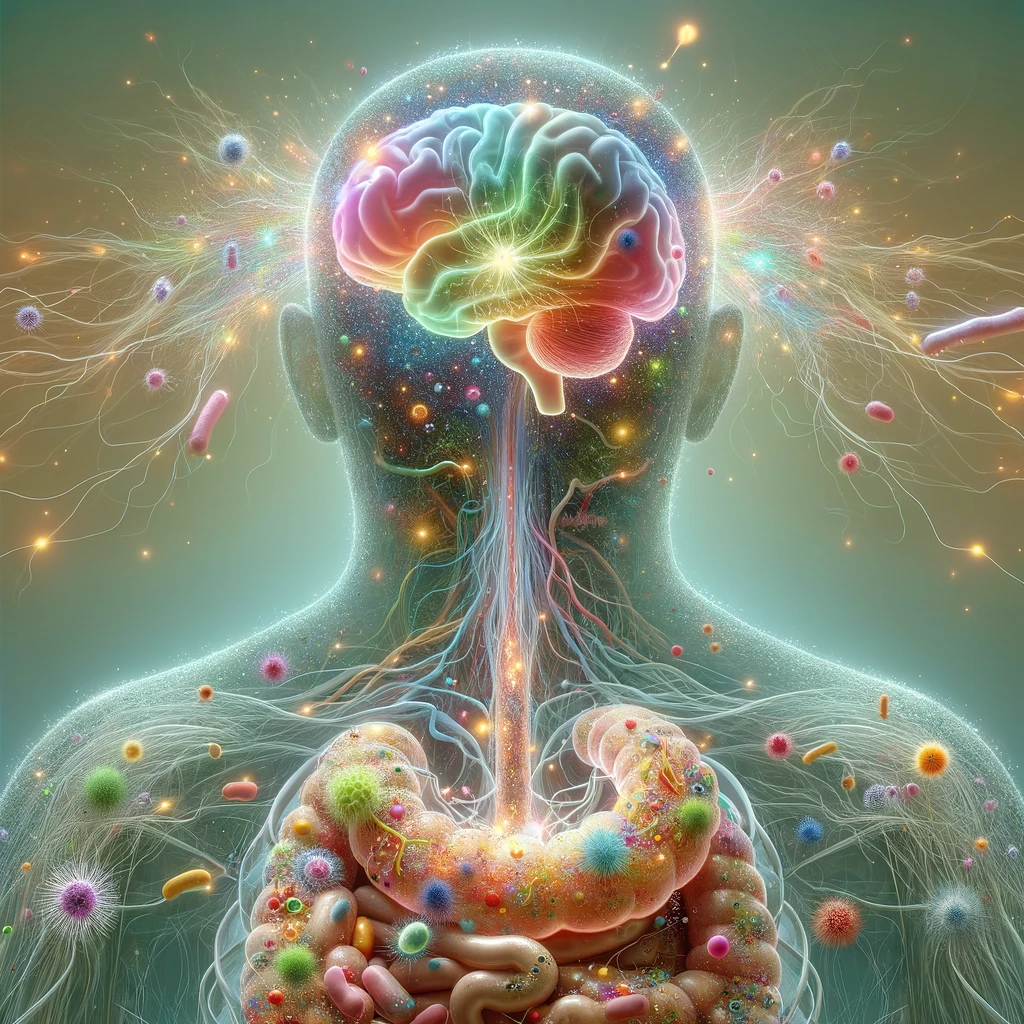
This 2021 review discusses the relationship between tea polyphenols and gut microorganisms, breaking down the potentially preventative role of tea polyphenols in psychiatric disorders via modulation of host intestinal microorganisms. Tea polyphenols make up the most bioactive components in tea extracts, and have been reported to regulate the composition and function of the intestinal flora. The microorganisms in the gut also interact with tea polyphenols by enhancing its bioactivity. The metabolites produced can control intestinal microecology and promote health. It is said that dysfunctioning of the microbiota-gut-brain axis (the interactions between the gut, its microbiota, and the brain) forms the main basis of depression. These abnormalities may influence and possibly directly cause psychiatric disorders. [NPID: tea, polyphenols, gut microbiota, gut, intestine, depression, disorders, MGBA]
Year: 2021
Reference: Sun, Q., Cheng, L., Zhang, X., Wu, Z., & Weng, P. (2021). The interaction between tea polyphenols and host intestinal microorganisms: an effective way to prevent psychiatric disorders. Food & function, 12(3), 952–962. https://doi.org/10.1039/d0fo02791j
Related Studies
Current evidence from animal behavior studies, especially in primates, points to the potential impact of social interactions on the transmission of microbiome bacteria between members of the social group. This agrees with the evidence on the two-way relationship between microbiome composition and social behaviors derived from studying laboratory animal models. However, in this study by […]
Recognized as the second largest cause of death and a major source of disability, neuropsychiatric illness is on the rise. The phrase “gut-brain axis” highlights the dynamic, two-way connection that occurs between the gastrointestinal tract and the central neurological system. An increasing number of clinical and preclinical investigations are connecting the microbiome to neurological illness […]
 Navigation