Gut microbiota and eating behaviour in circadian syndrome
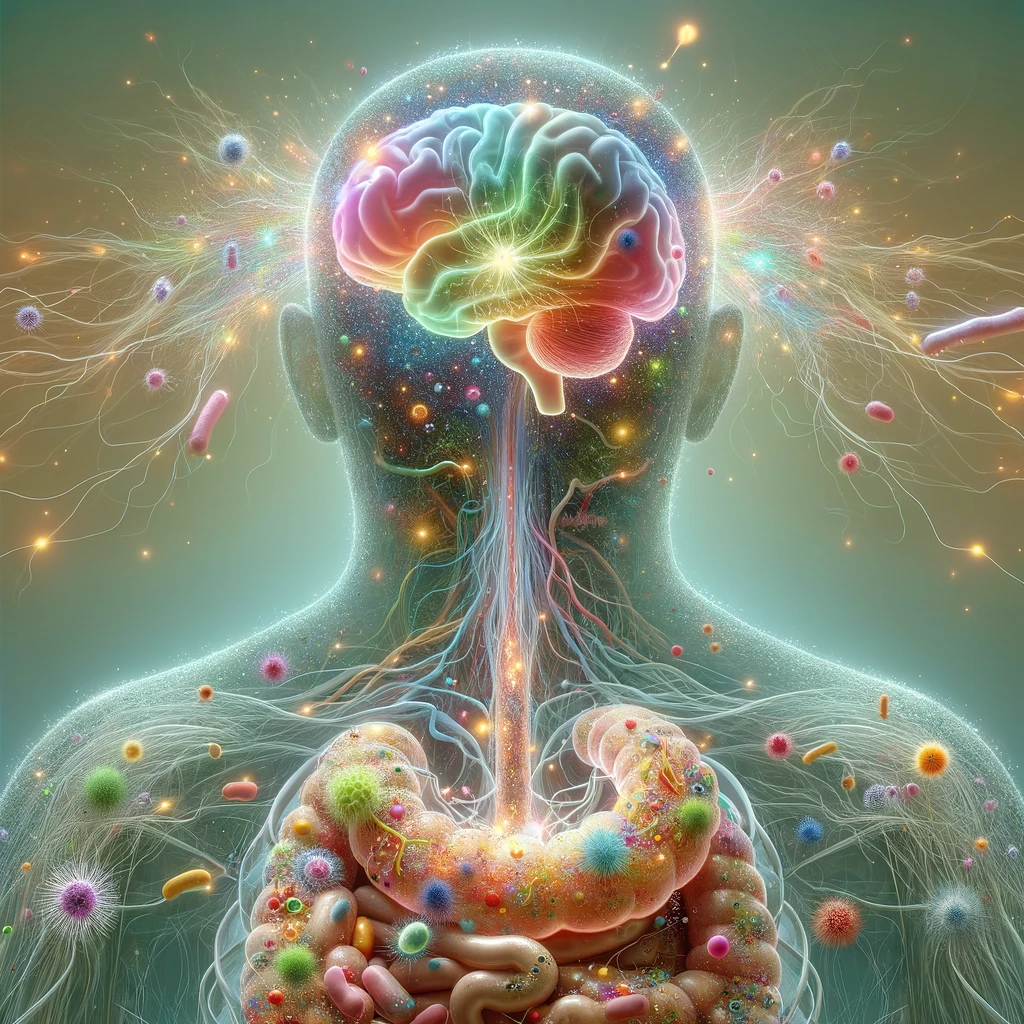
Eating behavior and circadian rhythms are closely interconnected. The type, timing, and amount of food consumed, along with the host’s circadian rhythms, directly affect the gut microbiota, which in turn influences circadian rhythms and regulates food intake beyond basic hunger responses. This opinion discussion by Soliz-Rueda et al. (2024) explores the effects of gut-brain axis signaling on food intake and circadian rhythm abnormalities brought on by an obesogenic environment. It also delves into potential mechanisms through which changes in gut microbiota affect food intake behavior and circadian rhythm regulation. Addressing the obesity epidemic, which continues to be one of the biggest problems facing society today, requires an understanding of the relationships that exist between gut bacteria, circadian rhythms, and bad eating habits. [NPID: Appetite, circadian rhythms, eating behavior, lifestyle, metabolic homeostasis, microbiota–gut–brain axis]
Year: 2024
Reference: Soliz-Rueda, J. R., Cuesta-Marti, C., O’Mahony, S. M., Clarke, G., Schellekens, H., & Muguerza, B. (2024). Gut microbiota and eating behaviour in circadian syndrome. Trends in Endocrinology & Metabolism. https://doi.org/10.1016/j.tem.2024.07.008
Related Studies
Role of gut microbiota in maintaining homeostasis This research article examines the critical role of gut microbiota in maintaining homeostasis and influencing host physiology, particularly in relation to the central nervous system’s reward processes. Recent studies suggest a bidirectional communication pathway between the gut microbiota and the brain, indicating that this interaction is crucial in […]
Research is required to examine the connections between food and psychological stress and the variety and composition of the gut microbiota. Knight et al. (2024) investigated the relationships between dietary factors, psychological stress measures, gut microbiota species abundance, and alpha diversity in young adult females. The secondary goal was to investigate the mechanisms of psychosocial […]
 Navigation