Host-microbiome relationship in depression: Can human induced pluripotent stem cells play a role in unravelling mechanisms?
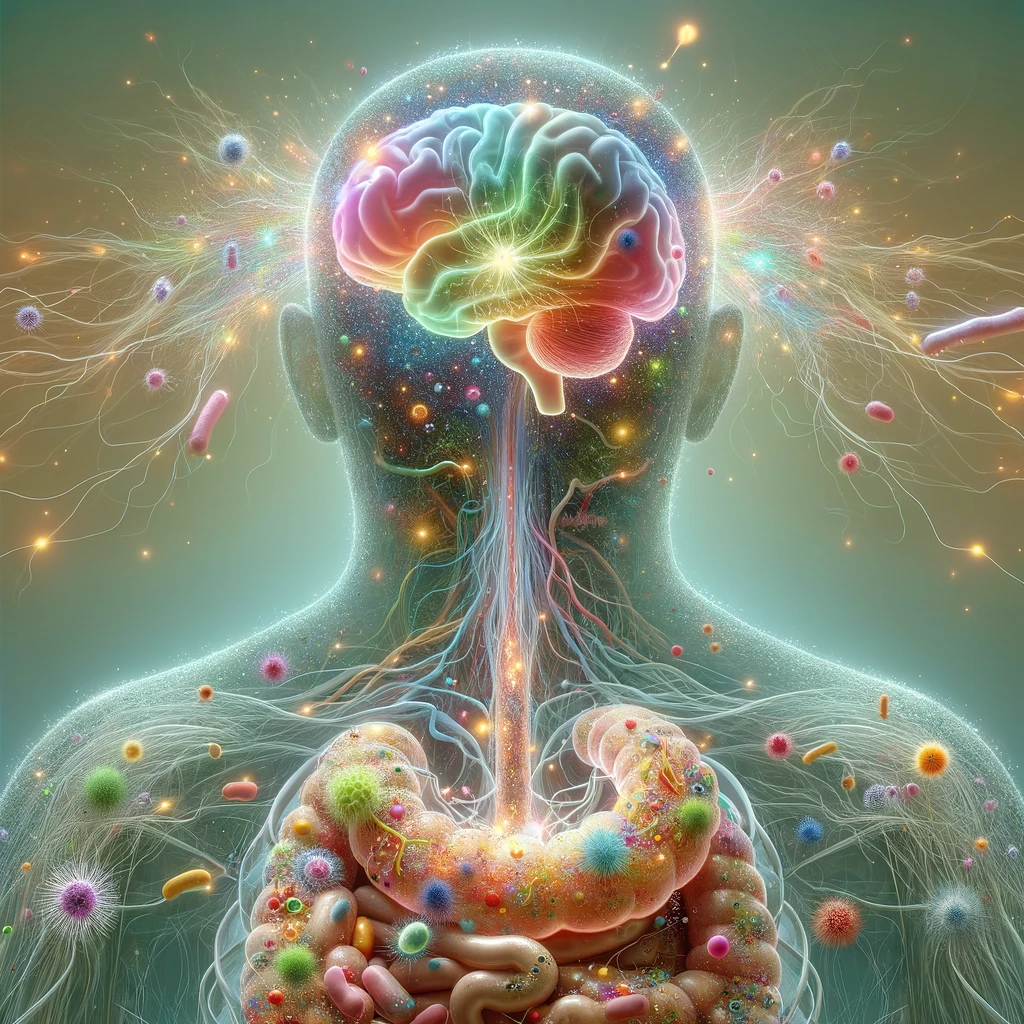
Many people suffer from depression, and the available treatments are ineffective for many of them. Recent findings highlight the crucial role of the gut microbiota in the development of depression, presenting promising new directions for therapy. To fully understand these mechanisms and identify effective treatment targets, research involving human subjects is critical. Because direct access to the central nervous system (CNS) is limited, human induced pluripotent stem cells (hiPSCs) provide a valuable alternative model. This review by Rosell-Cardona et al. (2025) discusses the growing use of hiPSCs in studying the MGBA and their potential to advance research into depression. [NPID: Depression, gut microbiota, microbiota-gut-brain axis, hiPSCs, central nervous system, stem cell models, treatment resistance, neurobiology, therapeutic targets]
Year: 2025
Reference: Rosell-Cardona, C., Cryan, J. F., Clarke, G., & Kittel-Schneider, S. (2025). Host-microbiome relationship in depression: Can human induced pluripotent stem cells play a role in unravelling mechanisms? Npj Biofilms and Microbiomes, 11(1), 117. https://doi.org/10.1038/s41522-025-00749-z
Related Studies
This multicenter cohort study conducted in Germany examines the association between soft drink consumption and major depressive disorder (MDD) diagnosis and severity, with a specific focus on the mediating role of gut microbiota. Data were analyzed from 405 MDD patients and 527 healthy controls recruited between September 2014 and September 2018. Findings indicate that soft […]
Clapp et al. (2017) describe the increasing evidence showing bidirectional communication between the central nervous system and gut microbiota (referred to as the gut-brain-axis), and associating these microbiota in the gut with gastrointestinal and extragastrointestinal diseases. Since dysbiosis and inflammation of the gut has been linked to the predisposition of several mental illnesses including anxiety […]
 Navigation