Navigation


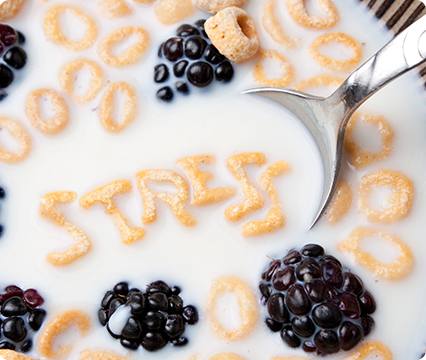
Stress and Eating Behaviors
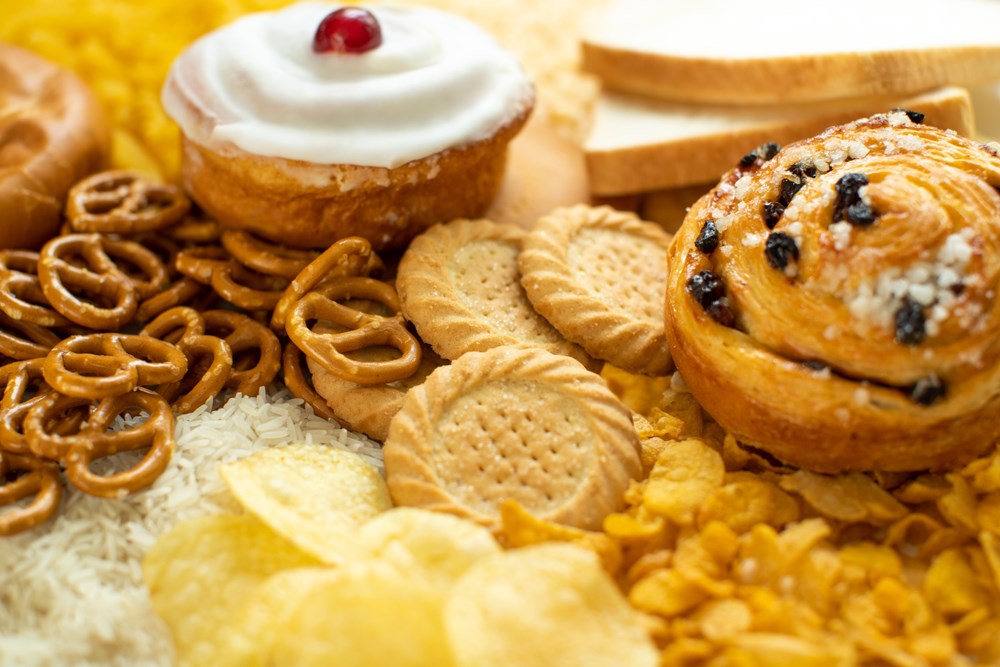
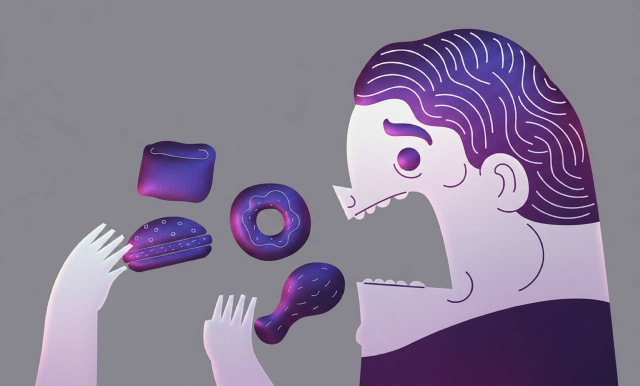
Obesity presents a complex challenge for treatment, with recent research focusing on how certain foods—particularly those high in fat and sugar—may exhibit addictive properties. This perspective highlights the significance of stress as a factor contributing to both the onset of obesity and the potential for relapse in individuals who have experienced weight loss.
Exposure to uncontrollable stress appears to alter eating behaviors, increasing the appeal and consumption of hyperpalatable foods. Over time, these shifts can lead to heightened allostatic load and trigger neurobiological changes that foster compulsive eating behaviors.
Key mechanisms underlying this relationship include modifications in the hypothalamic-pituitary-adrenal (HPA) axis, disrupted glucose metabolism, changes in insulin sensitivity, and fluctuations in appetite-related hormones and neuropeptides. Additionally, chronic stress can affect the mesolimbic dopaminergic system, a critical component of the brain’s reward and motivation circuits, potentially enhancing sensitivity to food-related rewards and modifying preferences for unhealthy options.
This intricate interplay may result in increased desire for hyperpalatable foods, along with metabolic alterations that promote weight gain and fat accumulation. Moreover, individual differences in how people respond to stress and their vulnerability to obesity can further influence these dynamics. Recognizing the relationships between stress, neurobiological changes, and obesity is crucial for developing effective prevention and treatment strategies for obesity and associated metabolic disorders. [NPID: Neurobiological, obesity, HPA axis, hyperpalatable, stress]
Year: 2026