Obesity and the neurocognitive basis of food reward and the control of intake
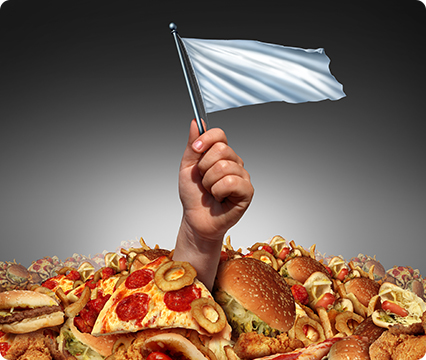
This 2015 review analysed the evidence for the dysregulation of the brain reward system in human obesity, while also considering 2 contrasting perspectives on the control of hedonic eating, in taking control of your intake via higher cognitive control and the loss of discipline observed by the food addiction model. Ziauddeen et al. (2015) also discusses directions for future research and interventions with potential to improve self-control over eating, at the population and individual level. [NPID: sugar, processed food, reward, obesity, hedonic eating, cognitive control, discipline, food addiction, addiction, self-control]
Year: 2015
Reference: Ziauddeen, H., Alonso-Alonso, M., Hill, J. O., Kelley, M., & Khan, N. A. (2015). Obesity and the neurocognitive basis of food reward and the control of intake. Advances in nutrition (Bethesda, Md.), 6(4), 474–486. https://doi.org/10.3945/an.115.008268
Related Studies
This 2017 study explored food addiction and its association with dietary intake, personality traits and mental health issues among a total of 1344 Australian adults. The participants, who were 75.7% female, on average 39.8 years old (range 18-91) and had an average BMI of 27.7 ± 9.5, were assessed using the revised Yale Food Addiction […]
This 2018 narrative review describes the possible causes of emotional eating (EE) and EE’s relationship with depression and obesity, and discusses the significance of these findings for the management of obesity. Van Strien (2018) points out that high dietary restraint, poor interoceptive awareness, alexithymia (difficulty in experiencing, expressing, and describing emotional responses), emotion dysregulation and […]
 Navigation